Education and Lifelong learning
Technology's Role in Education and Lifelong learning

Lifelong Learning:
Think of lifelong learning as a journey. It’s all about continuously chasing after new knowledge, skills, and personal growth throughout your life. Unlike school or university, which have a clear end point, lifelong learning is an ongoing adventure that can happen at any age and in all sorts of situations. It’s a key part of personal growth, advancing in your career, adapting to changes, and keeping up with our fast-paced world.

Learning On Your Own Terms: Lifelong learners are in the driver’s seat of their own learning journey. They’re proactive in looking for learning opportunities, setting their own goals, and diving into self-guided study, research, and exploration.
Being Flexible and Adaptable: Lifelong learning is all about being flexible and adaptable when faced with changes, challenges, and opportunities. It encourages people to embrace change, take risks, and see failure as a chance to learn.
Mixing Formal and Informal Learning: Lifelong learning combines formal education, informal learning experiences, and hands-on learning opportunities. It breaks down the barriers between traditional educational settings and real-world contexts.
Reaping the Benefits: Lifelong learning isn’t just fulfilling and intellectually stimulating, it also boosts well-being. Plus, it can enhance your employability, career prospects, and job satisfaction by giving you the relevant skills and knowledge you need.
Exploration of the Role of Technology in Education and Lifelong learning:
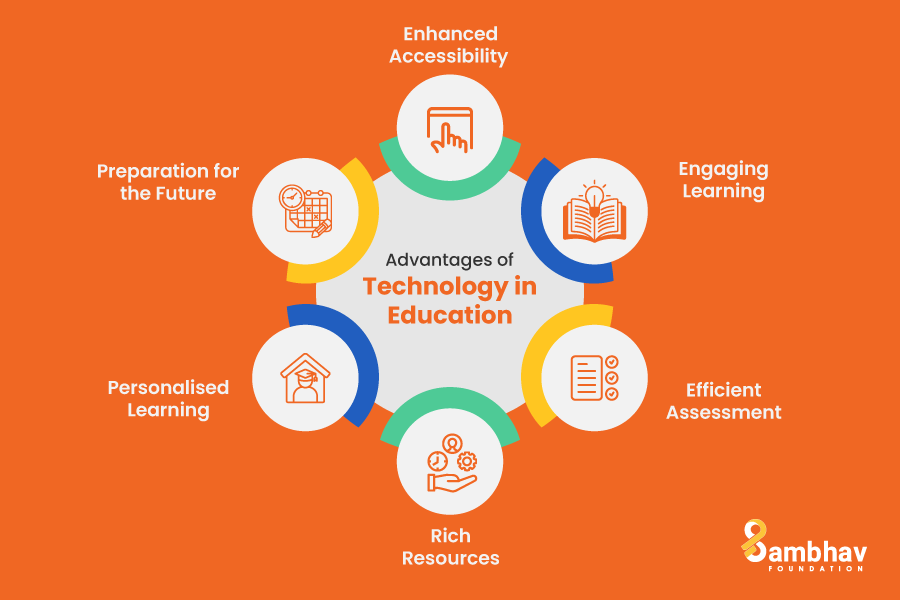
Technology has totally changed the way we learn. It’s made lifelong learning more accessible and engaging than ever before. Thanks to online courses, educational apps, digital resources, and new technologies, we’ve seen a transformation in how people learn, collaborate, and gain new knowledge throughout their lives.
Accessibility and Flexibility:
Technology has knocked down barriers to education. It’s given everyone access to learning resources, no matter where they are or what their background is. Online platforms offer flexible learning options, so you can learn at your own pace and fit your studies around your work, family, and other commitments.
Diverse Learning Opportunities:
Digital platforms offer a huge range of educational content, like video lectures, interactive quizzes, e-books, and simulations. This caters to all sorts of learning styles and preferences. Plus, online courses cover pretty much every subject you can think of, from academic disciplines to professional skills, hobbies, and personal interests. This gives learners endless opportunities for exploration and growth.
Personalized Learning Experiences:
Thanks to technology, learning experiences can be tailored to individual needs, interests, and abilities. Adaptive learning platforms use algorithms to analyze learners’ performance and preferences, offering customized recommendations and adaptive content to optimize learning outcomes.
Collaborative Learning and Networking:
Digital tools make it easy for learners and educators worldwide to collaborate and network, creating a sense of community and shared learning experiences. Online discussion forums, social media groups, and collaborative projects enable learners to connect, exchange ideas, and learn from peers and experts across the globe.
Emerging Technologies:
Emerging technologies like artificial intelligence (AI), virtual reality (VR), and augmented reality (AR) have huge potential to transform education and lifelong learning. AI-powered tutors can provide personalized tutoring and feedback, while VR and AR simulations offer immersive learning environments for hands-on training and exploration.
Challenges and Considerations:
Despite all these benefits, there are still challenges to overcome. The digital divide is a big issue, with disparities in access to technology and internet connectivity limiting opportunities for some learners. And concerns about data privacy, online security, and the quality of online content highlight the importance of critical digital literacy skills for navigating the digital learning landscape safely and effectively.

Conclusion :
At the heart of it all, education and lifelong learning are the building blocks of personal growth and progress in society. Whether it’s through formal education or continuous self-improvement, chasing after knowledge enriches our lives and prepares us to succeed in a world that’s always changing. So let’s celebrate the journey of lifelong learning. It gives us the power to adapt, to innovate, and to make a meaningful difference in the world around us.
Blog by:
Gowtham Varma
Comments
Post a Comment